
Charting Capital Pathways Through Stacked Incentive Layers in Mobile Live Dealer Formats
Payment methods in mobile live dealer environments continue to evolve as operators integrate new processing channels with existing loyalty frameworks during July 2026, and data from regulatory filings shows increased activity in deposit routing that feeds directly into multi-tier reward systems. Observers note patterns where initial funding sources trigger base-level bonuses while subsequent activity unlocks higher tiers tied to live table participation on handheld devices.
Payment Channel Integration With Reward Mechanisms
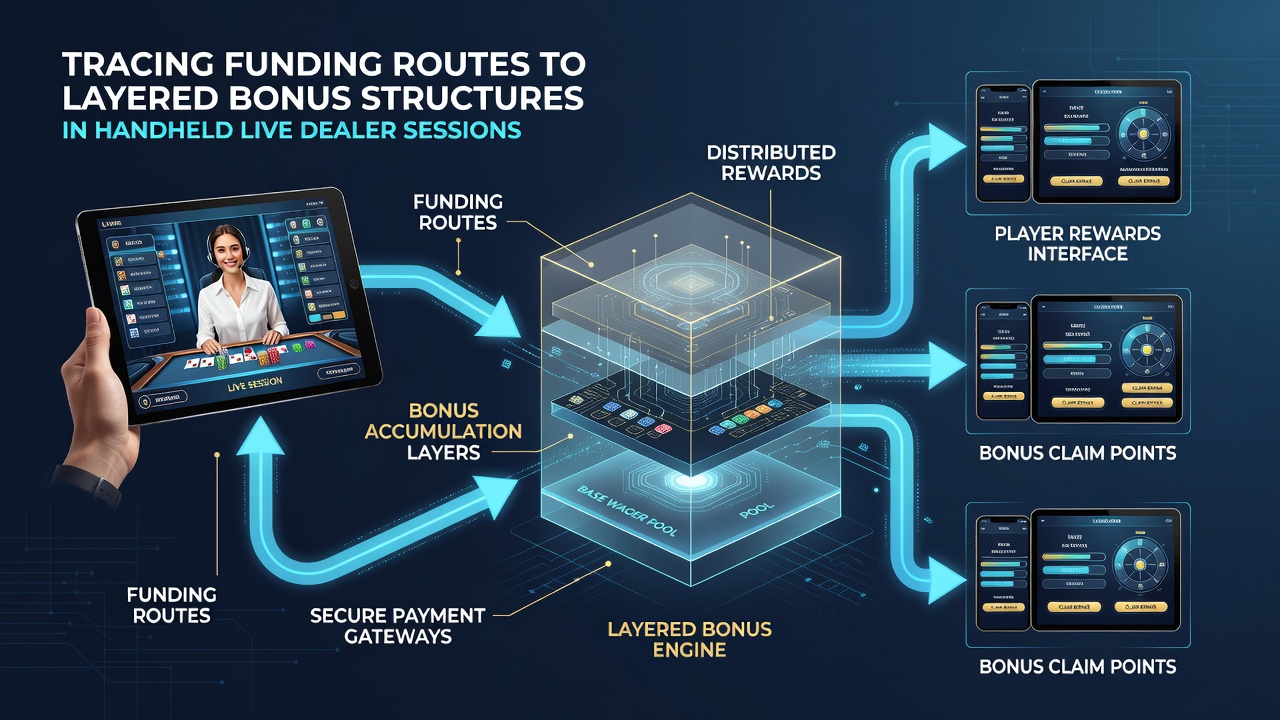
Industry reports indicate that credit card deposits and digital wallet transfers often serve as entry points that activate standard match bonuses, yet these same routes frequently connect to additional layers when players engage in live dealer sessions on smartphones. Researchers have documented cases where e-wallet transactions bypass certain processing delays and immediately qualify users for accelerated tier progression in portable dealer formats. Data shows that operators track these funding streams through centralized systems that assign reward multipliers based on transaction frequency and volume.
Those who monitor transaction logs find that cryptocurrency options sometimes link to specialized bonus pools reserved for high-volume mobile users, while traditional bank transfers feed into broader loyalty structures that accumulate across both slot and table play. The connections become visible when systems apply progressive unlocks after a set number of live dealer rounds completed on handheld platforms.
Layered Structures Activated by Transaction Volume
Figures from gaming association summaries reveal that layered bonuses often stack in sequences where the first deposit activates a welcome component, the second deposit triggers a reload element, and continued live table activity on mobile devices opens cashback or free round allocations. Experts observe that these layers depend on traceable funding routes that operators monitor to prevent duplicate claims while rewarding consistent engagement. Studies from academic institutions highlight how volume thresholds determine when players advance from basic incentives to premium structures available only through sustained handheld sessions.
One documented pathway involves instant banking apps that route funds directly into accounts flagged for live dealer participation, which then automatically enrolls the user in tiered reward cycles. Another route uses prepaid vouchers that convert into bonus credits upon first mobile table interaction, with additional layers added once activity metrics reach defined milestones. Data indicates these mechanisms operate across multiple jurisdictions where operators must report funding sources separately from reward distributions.
Regulatory Tracking of Funding and Bonus Linkages
According to filings submitted to the Nevada Gaming Control Board, operators must maintain detailed records that separate deposit origins from the bonus layers they activate in mobile environments. Similar requirements appear in reports issued by the Malta Gaming Authority, where authorities examine how funding routes influence the distribution of layered incentives during live dealer play on portable devices. These oversight processes create audit trails that connect specific payment methods to the progression of reward tiers.
Industry organizations such as the American Gaming Association have compiled statistics showing growth in mobile live dealer segments during the first half of 2026, with particular emphasis on how transaction patterns correlate with bonus structure utilization. The data points to increased use of combined funding routes that allow players to move between standard and premium reward layers without leaving the handheld interface.
Technical Systems Supporting Route-to-Reward Mapping
Software platforms deployed by operators employ algorithms that map each incoming transaction to specific bonus components based on predefined rules. When a deposit arrives via one channel, the system evaluates eligibility for base rewards and simultaneously checks activity history for advancement into higher tiers tied to live dealer performance. Observers note that these automated processes reduce manual intervention while ensuring that layered structures activate only after verified funding clears.
Case examples from operational reviews demonstrate that mobile-specific bonuses often require both a qualifying deposit and a minimum number of live table hands played on the device. This dual requirement creates traceable connections between funding routes and the progressive unlocking of additional incentive layers.
Conclusion
Transaction records compiled through July 2026 demonstrate consistent linkages between varied funding methods and the activation of stacked reward systems in handheld live dealer sessions. Regulatory bodies across regions continue to require detailed mapping of these pathways to maintain transparency in how deposits translate into tiered bonuses. The documented flows show that operators rely on integrated systems to connect payment channels directly to progressive incentive structures without intermediate steps that could obscure the relationships.